
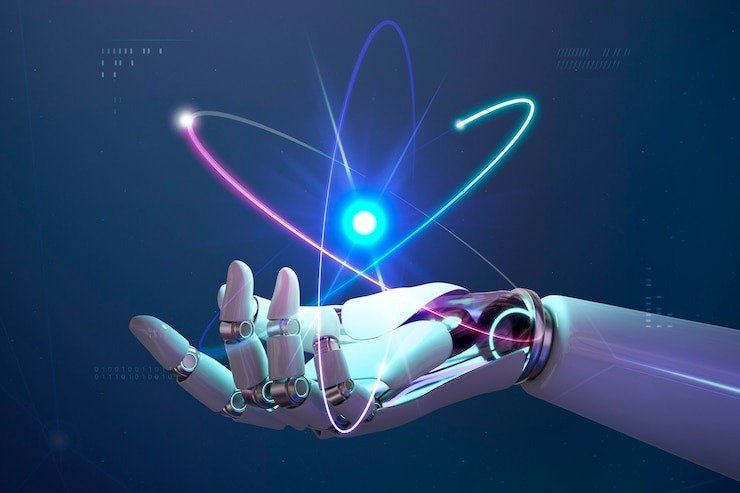
In a world that is constantly evolving, the concept of imagination stands as a pillar of humanity’s progress. Imagination is not just a fleeting thought or a whimsical escape; it is a powerful engine that drives innovation, shapes our realities, and expands our possibilities. From the earliest cave paintings to the latest technological advancements, every facet of human achievement is underpinned by the imaginative processes that inspire them.
The Nature of Imagination
At its core, imagination is the ability to form mental images or concepts of things that are not immediately present to the senses. This cognitive ability allows us to visualize scenarios, create narratives, and explore ideas beyond the constraints of our immediate environment. Imagination serves as the bedrock for creativity, enabling individuals to break free from conventional thinking, challenge the status quo, and envision a future that transcends current limitations.
Imagination and Innovation: A Symbiotic Relationship
The relationship between imagination and innovation is profound and symbiotic. Innovation thrives on the seeds of imaginative thought, transforming abstract ideas into tangible solutions and groundbreaking inventions. When we think of innovators like Thomas Edison, Nikola Tesla, or Steve Jobs, we recognize that their successes were not solely due to their technical prowess but also their unparalleled ability to imagine what was possible. They dared to envision a world enhanced by technology, and as a result, they radically altered the fabric of society.
Consider the advent of the smartphone. It was not merely an idea born from existing technology; rather, it was the product of imaginative foresight combined with innovative execution. The smartphone brought together various technological advancements—communication, computing, and multimedia—into a single device that revolutionized the way we interact with the world. In this case, imagination acted as the catalyst that sparked innovation, leading to an explosion of possibilities.
Education: Cultivating Imagination
One of the most critical arenas for nurturing imagination is education. Traditional educational systems often emphasize rote learning and standardized testing, stifling the creative instincts of students. However, a shift towards experiential learning, critical thinking, and problem-solving can unlock the imaginative potential within individuals. By fostering an environment where students are encouraged to think outside the box, experiment, and explore, we can equip future generations with the tools to innovate and expand the possibilities of our world.
“Imagination is the highest kite one can fly.” – Lauren Bacall
The Role of Imagination in Problem-Solving
Imagination is essential in addressing the complex challenges faced by society today. Global issues such as climate change, poverty, and inequality require innovative solutions that can only emerge from imaginative thinking. For instance, the development of renewable energy technologies stems from the imaginative vision of a sustainable future. Engineers and scientists imagine alternatives to fossil fuels, leading to innovations like solar panels, wind turbines, and electric vehicles.
The ability to envision a problem from multiple perspectives is crucial in finding effective solutions. Imagination allows us to view challenges not just as obstacles but as opportunities for growth and transformation. By thinking creatively, we can develop strategies that not only tackle the immediate issue but also pave the way for long-term sustainability and resilience.
The Future of Imagination and Innovation
As we look to the future, the role of imagination in innovation becomes even more critical. With the rapid pace of technological advancement, we are faced with unprecedented opportunities and challenges. Artificial intelligence, biotechnology, and virtual reality are just a few areas where imaginative thinking will be crucial in shaping the future landscape. The ability to foresee the implications of these technologies, to imagine their applications, and to innovate responsibly will determine how we navigate the complexities of the modern world.
Moreover, the democratization of technology means that imaginative potential is no longer confined to a select few. With access to information and tools, individuals from diverse backgrounds can contribute to innovation. Crowdsourcing ideas, collaborative problem-solving, and open-source platforms are empowering people to share their imaginative visions, expanding the horizon of possibilities for collective progress.
Our contribution: Embracing Imagination for a Better Tomorrow
In conclusion, imagination is the lifeblood of innovation and a driving force in expanding possibilities. By harnessing our imaginative capabilities and fostering environments that nurture creativity, we can continue to innovate and address the challenges of our time. Every imagination, no matter how small, contributes to the tapestry of human progress. As we embrace the power of imagination, we open doors to a future filled with endless potential and transformative possibilities.
